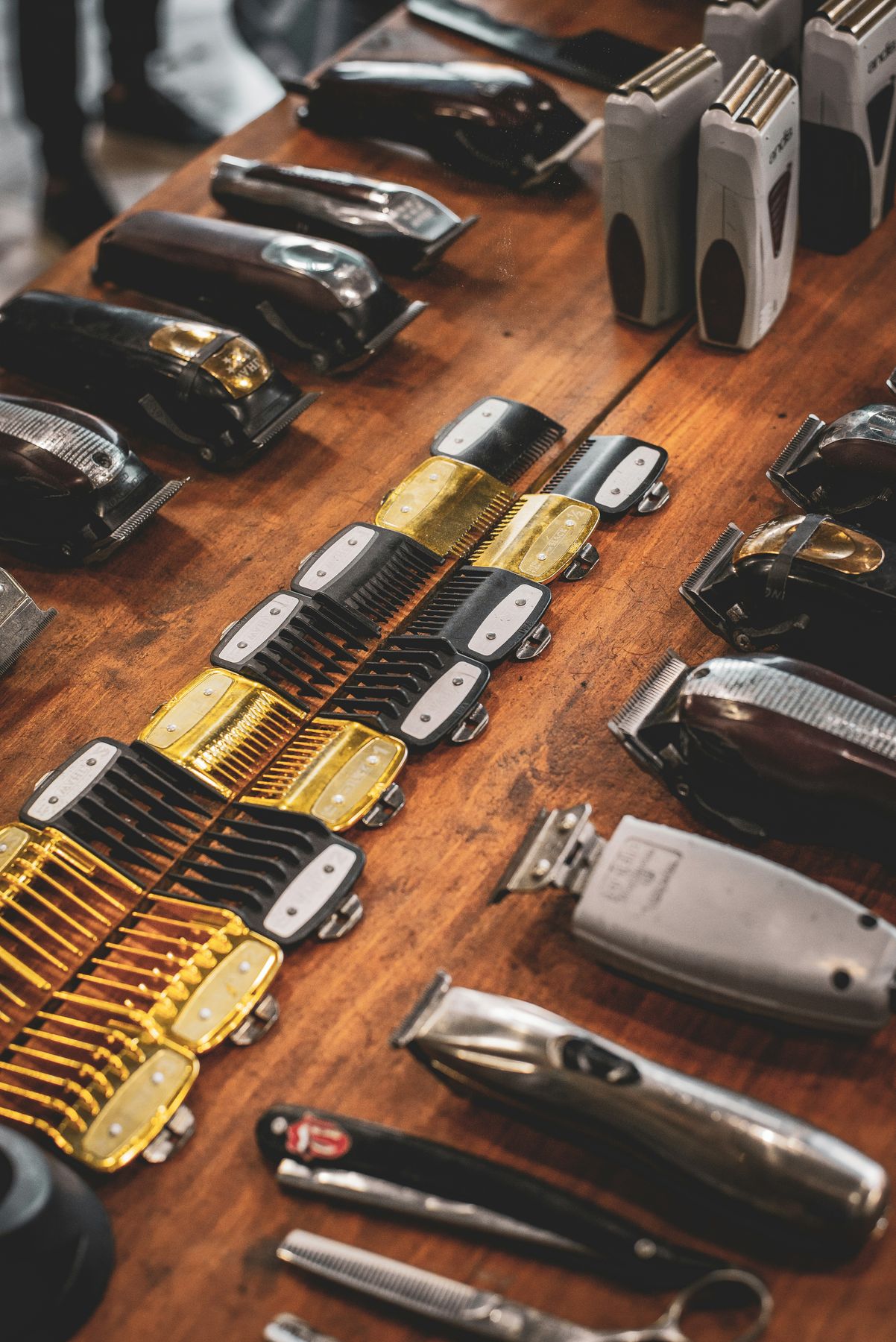
Barbershops have been one of the growth stories of the high street: the Local Data Company recorded a net rise of 665 barber units across Britain in 2023, while hairdressers fell by 752. What a particular shop is worth still comes down to the profit it leaves its owner, how much of the chair time is the owner’s own, and how secure the lease is.
What barbershops are selling for
Our price index tracks UK barbershops advertised for sale on the main business-for-sale marketplaces and specialist brokers. Between 8 September and 22 October 2026 we recorded 81 leasehold barbershops for sale. Where sellers state their profit, the median listing is advertised at 1.7 times it, across 23 listings.
| Lower quarter | Middle | Upper quarter | Listings | |
|---|---|---|---|---|
| Asking price | £31,500 | £60,000 | £91,000 | 60 |
| Turnover | £51,000 | £93,500 | £156,000 | 63 |
| Asking price ÷ turnover | 39% | 57% | 91% | 48 |
| Asking price ÷ stated profit | 1.1 | 1.7 | 2.7 | 23 |
These are asking prices. Agreed prices are usually lower once a buyer has seen the accounts, so treat these figures as a ceiling, which is why we value on profit rather than on what others are asking. The full figures, and how we compiled them, are in the Salon Price Index.
How buyers value a barbershop
Almost every owner-run barbershop is valued on the profit it leaves a working owner: net profit with the owner’s own salary, dividends and any personal costs added back. Buyers then apply a multiple that reflects the risk of that profit continuing under them.
Take a barbershop where the owner works in the business and is left with £40,000 a year once every cost is paid, before taking anything for themselves. At 1.2 to 1.8 times that figure, the business would be worth roughly £48,000 to £72,000, plus stock at valuation. The lease, the team and how long it has traded decide where in that range it lands.
Why you will see different multiples quoted
Some websites say salons sell for one to two and a half times profit, others say three or four times, and both can be right because they measure different profit. The lower figure applies to the profit left for a working owner before they pay themselves, which is how almost every owner-run salon is priced. The higher figure applies to profit after a manager has been paid a market salary to run it, which accountants call adjusted EBITDA. That is a smaller number, so the multiple on it is bigger. Applying the higher multiple to the bigger number is the most common way owners end up over-pricing their salon.
What moves the price
Walk-ins and bookings
A shop with a steady online booking system and a record of repeat visits is easier to value than one that relies on walk-ins, because a buyer can see the clients are the shop’s rather than the barber’s.
Cash takings
Barbering has historically been a cash business. A buyer can only pay for takings that appear in the accounts, and a lender will only lend against them, so undeclared cash is worth nothing in a sale.
Employed or renting chairs
Many barbershops run on self-employed barbers paying chair rent or a commission split. Buyers will value that income as rent, and will check the arrangements would stand up to HMRC as genuinely self-employed.
The owner’s chair
If the owner cuts most days and many clients book them by name, buyers price in the clients who may leave. A shop where the team carries the takings is worth more.
Lease and location
Busy high streets and commuter routes support walk-in trade. Buyers want enough years on the lease to earn back what they pay, and landlords’ consent to assign it.
Getting a figure for your barbershop
Our valuation calculator gives an instant range from eight questions. For a figure you can rely on, we will value your barbershop from your accounts and lease, free and in confidence. If you are ready to sell, our selling guide for barbershops explains how the process works.
Sources
- Anglo Swann Salon Price Index, 22 October 2026
- Local Data Company figures reported by the British Beauty Council, 28 March 2024 britishbeautycouncil.com